
Fitness Wearables Data Interpretation in Dublin
Your watch or ring collects a lot of data, but what does it actually mean for your pain, training and recovery? We turn your HRV, sleep, recovery and training load data into clear, practical changes, so you can train smarter, recover better and lower your injury risk, based on your own numbers rather than guesswork.
Want the science? Read how we use HRV with patients.
What we look at
- Heart rate variability (HRV)How well your body is recovering and coping with stress
- Resting heart rateEarly signs of fatigue, illness or overtraining
- SleepHow long and how well you sleep, and how consistent it is
- Recovery and readiness scoresWhether to push, hold or back off on a given day
- Training load and strainSudden spikes that raise your injury risk
- Daily activitySteps and movement across the week, not just workouts
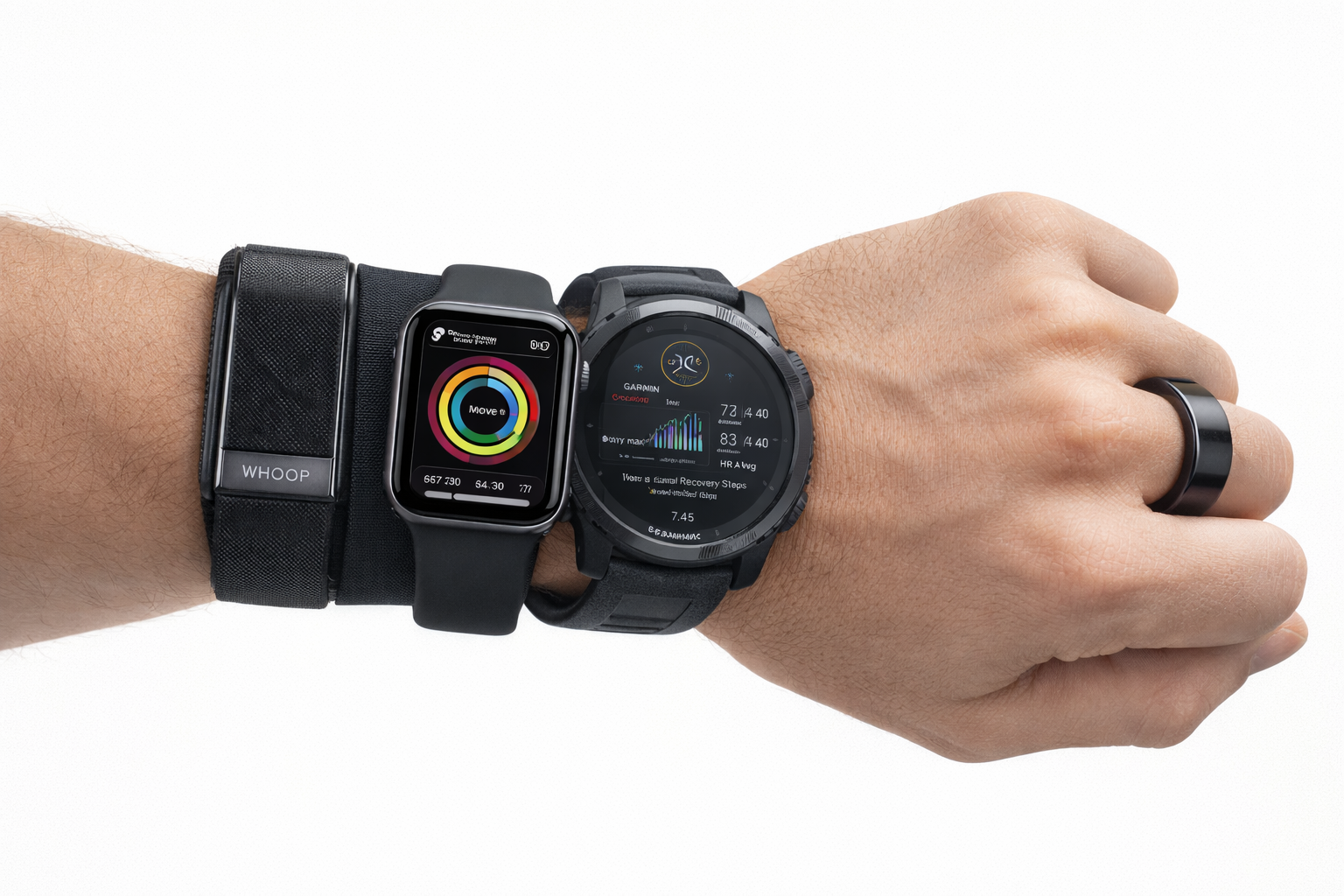
We work with data from WHOOP, Garmin, Oura Ring and Apple Watch. Using a different device? Just ask.
How it works
- Share your dataBring your device or share screenshots or exports from your app, ideally covering a few weeks.
- Review togetherWe go through your trends and link them to your pain, training, sleep and stress.
- Your planClear changes to training load, recovery, sleep and daily habits, alongside any rehab you need.
- Track progressWe use your data at follow-ups to see what's working and adjust the plan.
Who it's for
- Runners and athletes managing training load
- People recovering from injury
- Anyone with persistent pain linked to stress or poor sleep
- People who track their data but aren't sure what it means
- Anyone returning to exercise after time off
- Busy professionals who feel run down
What it costs
No GP referral needed. See our packages and full price list.
Wearable data FAQs
Which devices do you work with?
WHOOP, Garmin, Oura Ring and Apple Watch. Most other devices that track heart rate, HRV and sleep work too. Just ask.
Do I need to be injured to book?
No. Many people come to understand their data, improve recovery and sleep, or plan their training more safely.
How accurate is wearable data?
Consumer wearables aren't medical devices, but they're very useful for spotting trends over days and weeks. We focus on those trends, not single readings.
What should I bring?
Your device or phone with the app, ideally with at least two to four weeks of data. Screenshots of your main trends work well too.
Related: The stress-pain connection · Stress management · Sports physiotherapy